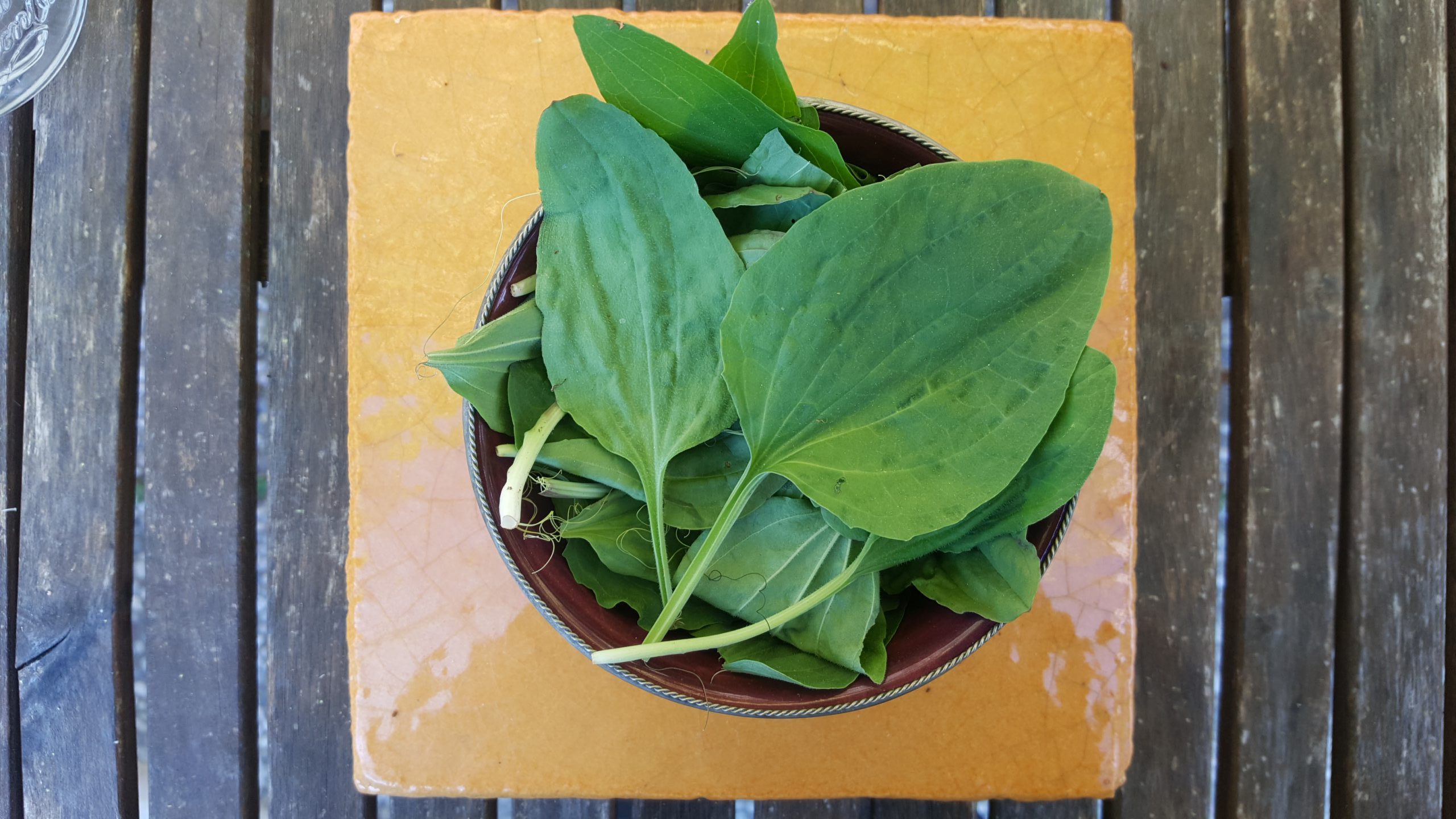
Plantain is a perennial plant.
The botanical name is Plantago and it can be lanceolata or major, both have very similar properties and are used in the same way.
You can collect it all year round and use it both in the kitchen and as a natural remedy to cure many different illnesses. It is widespread along the edges of meadows and paths in the countryside, on the hills and in the mountains.
The important thing is to collect plantain in places as far as possible from traffic and pollution. You can also buy it in its dried form, but she is so diffused you will surely find her almost everywhere you go for a walk.
Plantain is among the spontaneous herbs that I usually can find in an organic vineyard near my home here in Tuscany. The advice is to pick the central leaves of the rosette.
-
According to folk tradition, plantain helped to keep away evil spirits from children.
Properties and benefits of plantain
Plantain has astringent and anti-inflammatory properties, as well as anti-anaemic. It has the ability to stop bleeding and promote wound healing due to the mucilage that is present in its leaves and work as a sealing.
Its beneficial properties, especially from an anti-inflammatory point of view, make it useful for preventing and treating colds and winter diseases. These mucilages are even more concentrated in the flowering tops, to which they confer laxative properties and tastes surprisingly like mushroom! You can use them to prepare a “mushroom” stock if you collect them after they have turned brown but before they get really dry.
-
Plantain is widespread in Italy and in almost all around the world (except for the Antarctic). If you are interested in her botanical adaptability you might want to listen to the interesting interview on “Mooney goes Wild” of Yvonne Buckley, Professor of Zoology at Trinity College Dublin. The interview is vailable on the RTE player April 20th 2020 starting at minute 20 about here the link (if you want to have a lysergic trip and a good laugh listen to the song before the interview!)
Collecting
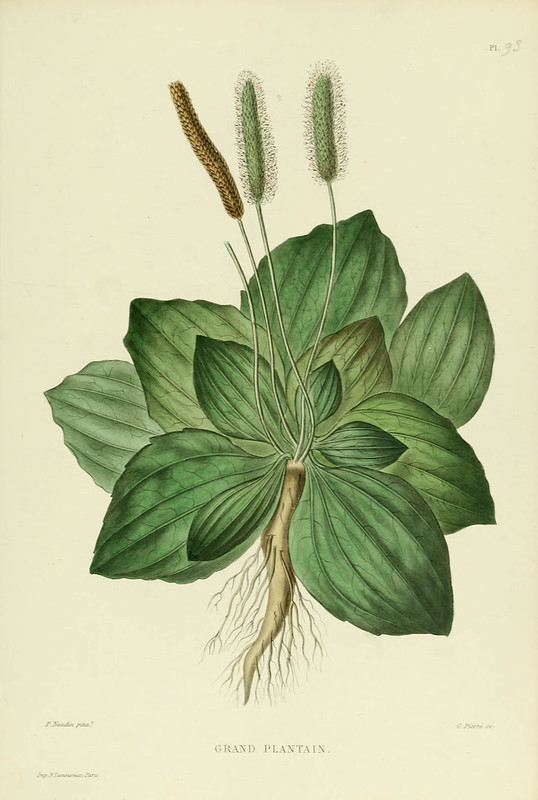
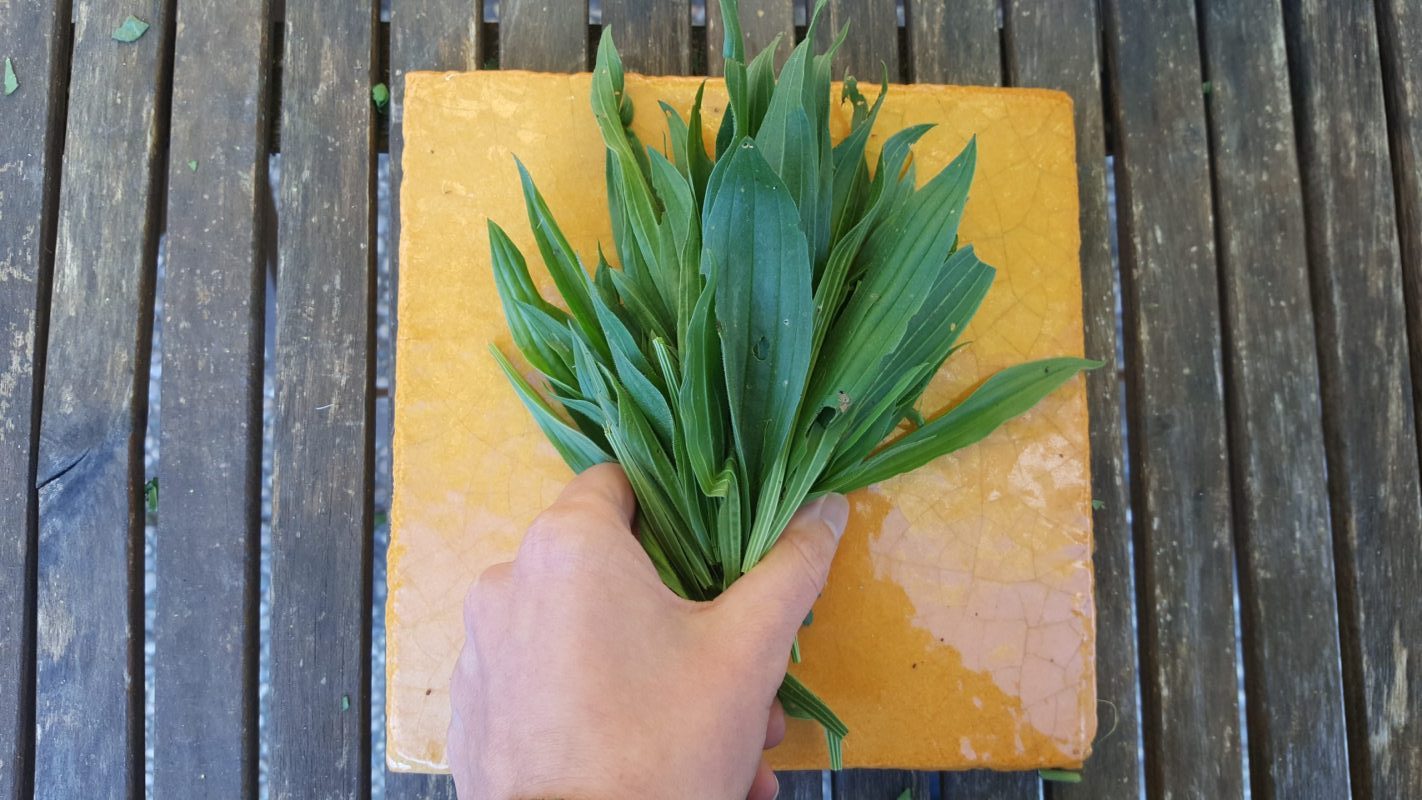
You will be able to recognize it from the narrow leaves crossed by five parallel ribs and from the small flowers gathered in spikes that arise from the central stem. The plantain can reach 40 centimetres in height. The leaves can be collected at any time for medicinal use between March and November.
Plantain in the kitchen
It is a very nutritional leafy vegetable containing Calcium, vitamins A,C, and K. In the kitchen, plantain is used both raw and cooked. You can choose the tenderest leaves of the plantain to enrich salads. Plantain is often used together with other edible herbs to prepare the filling of savory pies, bundles, ravioli, porridge and omelettes.
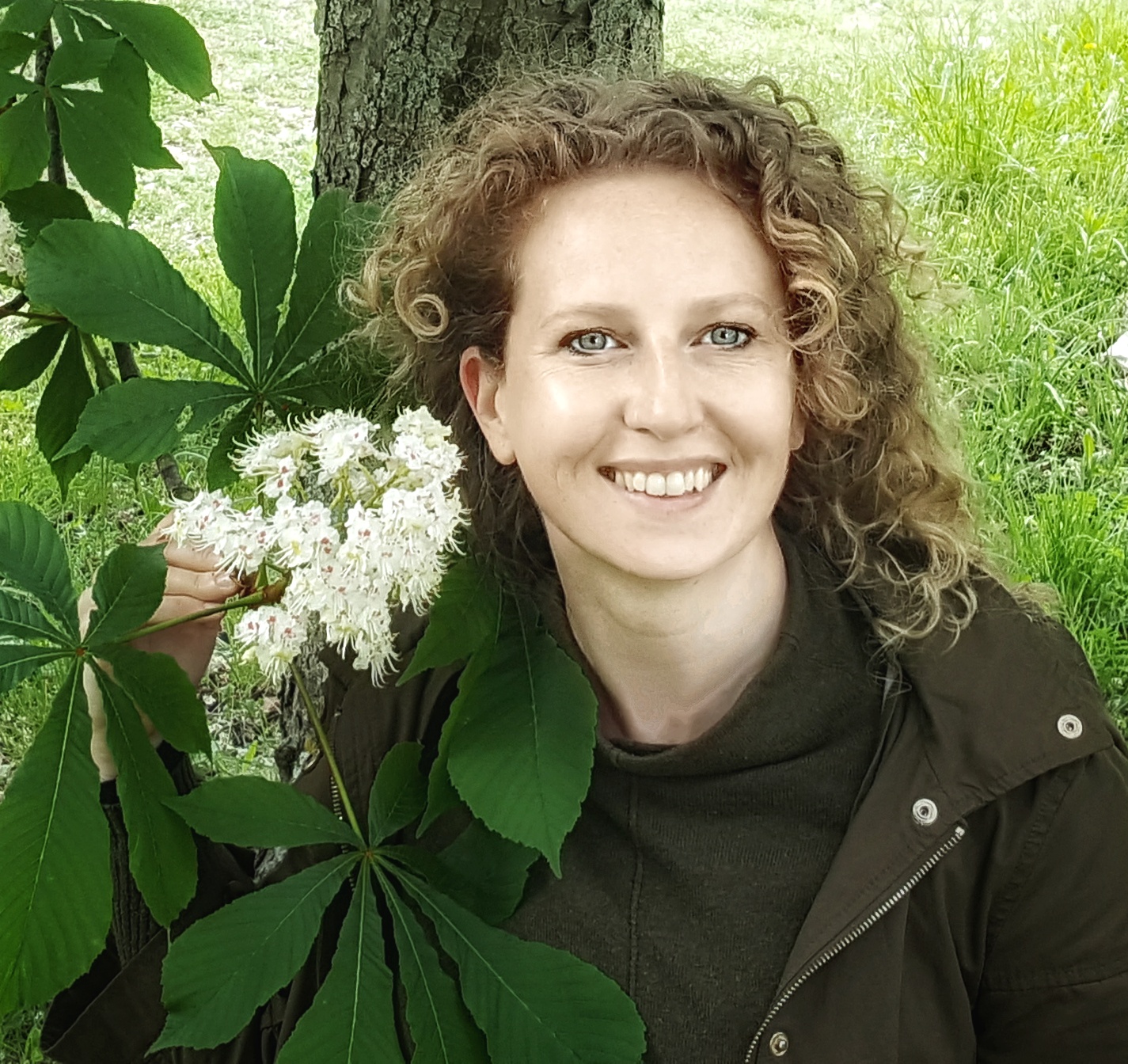
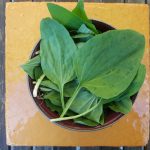
The leaves of the plantain tend to turn green the dishes they come into contact with. You could use plantain to make your fresh homemade pasta more colourful and flavorful, from tagliatelle to gnocchi. You can use raw plantain, as you would do with radicchio, or cooked, as in cooking spinach.
You can use the plantain to prepare a sauce or a pesto with herbs to use as a condiment. In this case, you can combine the plantain with other wild herbs such as nettles, dandelions and alchemilla.
-
You could use plantain to make your fresh homemade pasta more colourful and flavorful
-
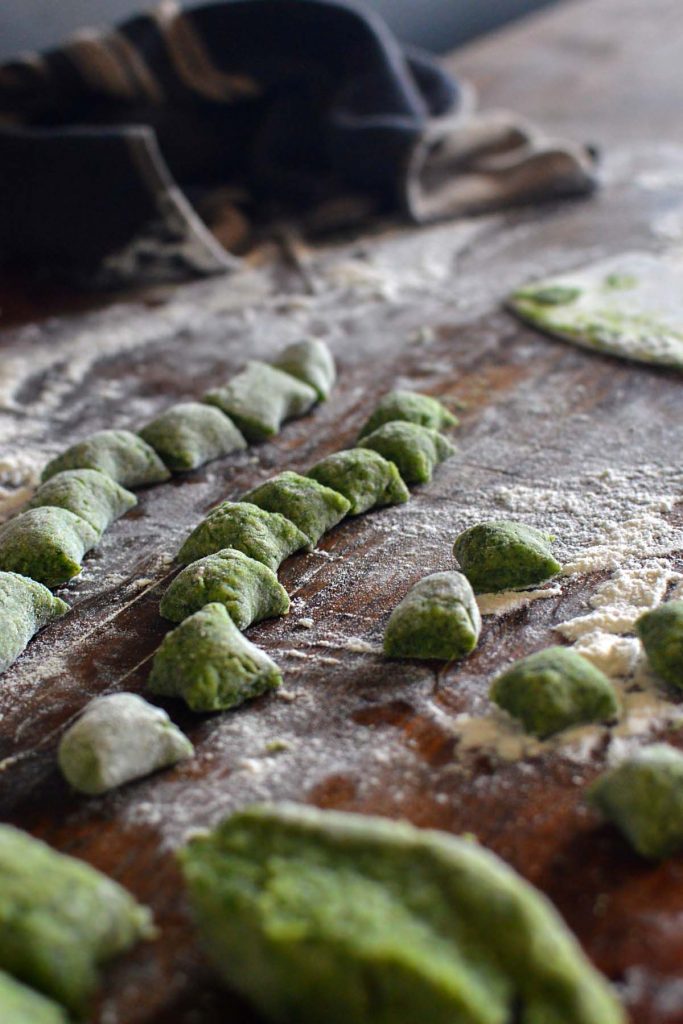
Photo by Heneeds food
Plantain as a natural remedy
Plantain is used as an officinal plant and a natural remedy for colds and diseases of the respiratory system, in case of inflammation, anaemia and haemorrhoids in a natural way.
In popular tradition, plantain leaves were used as a compress to be placed in contact with wounds by bandaging to stop bleeding and promote wound bonding and healing.
It is used as a natural remedy for conjunctivitis and inflammation of the eyelids.
In particular, plantain is considered a real panacea for the respiratory tract. In herbal medicine it is considered very valuable for its expectorant properties and in case of cough and cold it is used in the form of an infusion or decoction alone or associated with other plants such as eucalyptus, thyme, marshmallow and mallow.
Plantain is also used for the preparation of syrups to calm the cough and to dissolve the phlegm. It is a natural remedy considered beneficial to assist the treatment of ailments such as asthma and whooping cough thanks to its soothing and anti-inflammatory properties.
For external use, plantain proves to be precious as it is healing, soothing and anti-redness. It is indicated in case of itching, dermatosis, acne rosacea, inflammation and small lesions of the skin. The application of a compress of plantain leaves is useful as a soothing remedy for insect bites.
Recently I have a had a big load of stress that has also manifested in a few marks of dermatosis on my chest, summer is also arriving and with her, the fearsome and annoying mosquitoes! So I decided to create a balm to heal both dermatitis and the itchy mosquitos bites.
Here you can find the recipe to prepare your one [link]
Contraindications
Pollen from plantain can cause allergies, while the leaves of this plant have anti-allergic properties. Beyond the problem of allergies, plantain is considered a safe medicinal plant for both adults and children.
-
Summary
- Common Names: Ribwort Plantain, Narrow Leaf Plantain
- Scientific Name: Plantago lanceolata, Plantago Major
- Family: Plantain Family – Plantaginaceae
- Habitat: Meadows, dry meadows, grazing land, lawns, banks, waste ground, beside railway tracks, harbours.
-
- When to pick it: The leaves are collected from June to August; the seeds and flowers are harvested in August-September, when they begin to darken
- Active ingredients: mucilage, bitter substances, tannins and aucubin glucoside
- Culinary use: is used both raw and cooked
- Medicinal use: antihistamine, antifungal, antioxidant, analgesic and even a mild antibiotic





Comments
Evelyn Allen
Paetos dignissim at cursus elefeind norma arcu. Pellentesque accumsan est in tempus etos ullamcorper, sem quam suscipit lacus maecenas tortor. Erates vitae node metus. Morbi […] Read MorePaetos dignissim at cursus elefeind norma arcu. Pellentesque accumsan est in tempus etos ullamcorper, sem quam suscipit lacus maecenas tortor. Erates vitae node metus. Morbi suspendisse a tortor velim pellentesque uter justo magna gravida. Pellentesque accumsan, ex in tempus ullamcorper terminal. Read Less